


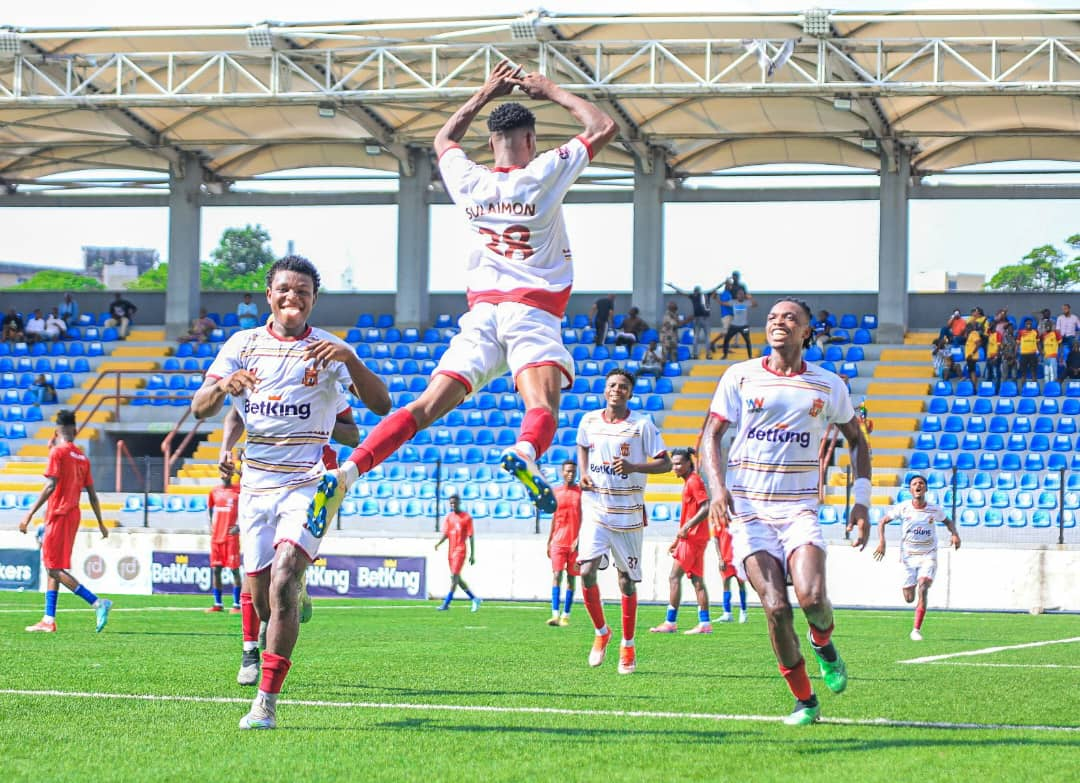
With an average age of 22 years, Ikorodu City FC plans on becoming a forever young team in the Nigerian Premier Football League mostly fascinated with quick wins and older/experienced players.
In most clubs, there’s no space for the young ones because the ownership structure tilts towards money bags and state governments who desire a shortcut to glory.
The relatively new club believes a competitive team can be built on young home-grown players.

Why It Matters For Ikorodu City FC
Ikorodu City is neither a club owned by a billionaire nor a state government but a community club seeking to find its path in the Nigerian league.
The coaches in the league work in pressure labs that don’t allow experiments using young players to save their jobs.
The shortcut to glory without proper structure and long-term planning has made the one-time darling clubs into flowers that blossomed quickly and died at dawn.
At the heart of the philosophy of IKC is talent discovery and management that will enable the community club to compete while being affordable.
The Perspective For Going Young
Yearly, young talents shun the league for greener pastures while those unlucky would rather sit at home than play in the NPFL.
Apart from the lack of desire by young talents, there seems to be a disconnect between academy owners and NPFL.
This is borne out of the ownership structure of the players and the lure of international transfer with short notice.
IKC director, Tobi Adepoju shares insights into dealing with the trust deficit between league clubs and academies.
“It was Seyi Olofinjana’s fear about his players, he told Marshall he is scared of Nigerian clubs, the reason why he would rather keep the boys in Odogbolu.
Oye told him, I trust these people, they are my friends, try them out.”
Ikorodu City formed a partnership with Imperial Academy owned by ex-international, Seyi Olofinjana after an introduction by an agent.

Why Academies Don’t Want To Release Players For NPFL Clubs
“When the deal came, we respected the agreement and didn’t change things.”
“If you are not paying huge for the boys, the percentage will be small. We reviewed the offer and we accepted it. Now, Kareem has moved abroad and we are expecting a small kobo. The payment is 200% of what we have paid him in salaries, allowances, and bonuses. it’s still a good business for us.
The biggest conflicts between NPFL clubs and academies are contractual and the timing of departure.
Most academies prefer loan agreement which allows 100% profit on transfers leaving the clubs recording losses despite covering wages.
Sometimes, the foreign trials disrupt a season for clubs with academies creating challenges for NPFL clubs in-season.
“We have been discussing how Academies and league clubs can collaborate on talents. Seyi was not also greedy to tell us zero % on the boy, he gave us a certain % for our investment. We can not even monetize the exposure the boy got from us which triggered this deal.”
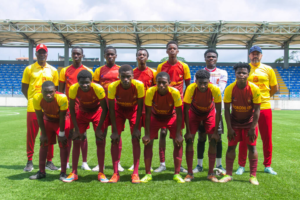
While Ikorodu City continues navigating the conflict zone to achieve its aims, it plans to own the process.
Early in 2024, the club set up an academy to groom young talents directly and reduce dependence on academies.
