



You’ve probably come across the word ‘CHAN’ many times, and perhaps you don’t even know what it’s really about. That’s fine, let’s break it down for you.
CHAN, the acronym for the African Nations Championship, is a tournament that’s somewhat equivalent to AFCON, the Africa Cup of Nations, not in standard, of course, but in how it is viewed.
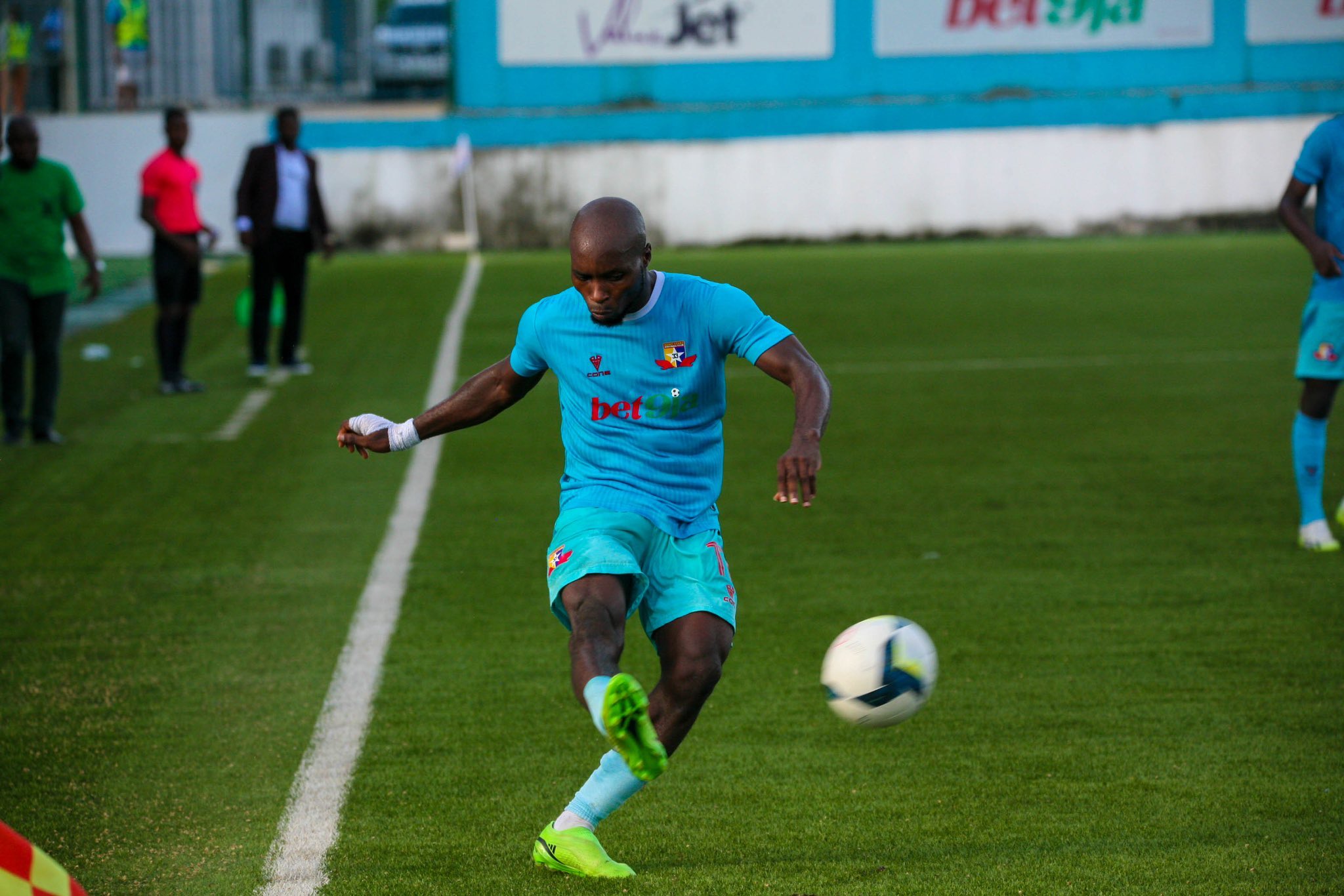
In the age of football superstars flying across continents to represent their countries, the African Nations Championship offers something different. It is international football, but stripped back to its most local and vulnerable form. The competition is not for Africa’s exports but for its heartbeat alone.
CHAN is only for players playing their nation’s domestic league. That means no parachuting of names that play in the Premier League, La Liga, and all other foreign leagues, just players who sleep in the same cities as the fans who chant their names, play on pitches they know by touch, and carry the weight of the badge without the salary cushion of Europe’s big clubs.
CHAN is raw totally, and it is very much Africa’s own.
The Idea
The idea behind CHAN wasn’t just a nod to nostalgia or grassroots purity; it was born out of a pressing need. Too often, the narrative around many African national teams revolves around players raised or developed in Europe. AFCONs and World Cup qualifiers are largely dominated by those who ply their trade abroad
By the early 2000s, the African football governing body, CAF, wanted to change that. The goal was simple: give home-based players a platform. Let them wear the national shirt, let them be scouted on a bigger stage, and let their performances be watched beyond their own league bubble.
That’s how CHAN was conceived. A tournament that would run parallel to AFCON, but with an entirely different identity.
The first edition kicked off in 2009, hosted by Côte d’Ivoire. It featured just eight teams. DR Congo defeated Ghana in the final to become the first champions.
Since then, CHAN has grown. The tournament now features 18 teams in its current format and has been hosted across several regions: from South Africa to Sudan, Morocco to Rwanda.
Teams that have won CHAN
Five countries have lifted the CHAN trophy. But that even tells a story.
DR Congo (2009, 2016) are one of the two nations to have won it twice. Their domestic league has historically been one of the stronger ones in central Africa, producing players like Dieumerci Mbokani and Trésor Mputu.
Morocco, too, have taken two titles. 2018 and 2020, in back-to-back fashion, thanks largely to the strength of their local league structure, where clubs like Raja Casablanca and Wydad Casablanca play continental finals almost yearly.
Tunisia won the 2011 edition, Libya, somewhat surprisingly, triumphed in 2014. It remains one of the country’s rare footballing highs in a decade dominated by political crisis.
Senegal won it in 2022 and are the defending champions going into the 2024 edition of the tournament.
CHAN isn’t just about the title. It’s about breakthroughs. Players like Ayoub El Kaabi (Morocco), who top-scored in 2018, or Jonathan Bolingi (DR Congo), used the tournament to launch themselves into European moves.
For many fans across Africa, CHAN is national pride played out by the players they actually watch every weekend.
Nigeria and CHAN: A Complicated Relationship
Nigeria’s relationship with CHAN has never been straightforward. One of the continent’s footballing giants, the Super Eagles, have often struggled to replicate that dominance in the home-based format.
Nigeria didn’t even qualify for the first two editions. Their debut came in 2014, a tournament held in South Africa. There, under Stephen Keshi’s broader philosophy of blending local players with internationals, the home-based Eagles made it all the way to the semi-finals. It looked like a turning point.

But that semi-final against Ghana was a collapse, losing on penalties after playing with verve and confidence all tournament. It was a classic Nigeria tale: so close, but emotionally exhausting.
Then came 2018, the best run yet. With Salisu Yusuf in charge and players like Rabiu Ali, Ikechukwu Ezenwa, and Okechukwu Gabriel stepping up, Nigeria reached the final in Morocco. They beat Angola in extra time and squeezed past Sudan, only to be swept aside 4–0 in the final by a ruthless Moroccan side playing at home.
Still, that silver medal offered a rare glimpse of what the NPFL could produce when given the structure and support.
Since then, however, regression. Nigeria failed to qualify for the 2020 and 2022 editions. The 2022 exit hurt particularly, it came at the hands of Ghana over two legs, a fierce rival.
The latest Edition: PAMOJA 2024
Even if you’ve watched or followed the last two editions without much emotion or engrossing feelings, this would interest you because Nigeria is involved.

The CHAN 2024 will run from August 2nd to August 30th, 2025, and it kicked off yesterday.
There are four groups.
In Group A, there are Kenya, Morocco, Angola, DR Congo, and Zambia
Group B includes Tanzania, Madagascar, Mauritania, Burkina Faso, Central African Republic.
In Group C, there are Uganda, Niger, Guinea, Algeria, and South Africa.
Finally, in Group D, there are Senegal, Congo, Sudan, and Nigeria
Why CHAN Matters A Lot
CHAN might not have the glamour of AFCON itself or an intense viewership pull, but its value lies elsewhere. It’s a tournament built to showcase Africa’s domestic talent, players still shaping their craft in local leagues.
However, in countries whose leagues are still developing or struggling for structure, CHAN acts as a mirror. It highlights what’s working, exposes what isn’t, and pushes federations to take their domestic game more seriously.
And for the players, it’s often the one real chance for their people to watch them.
That, in itself, counts for something.
